
Clearing out a property after an eviction can be overwhelming, but Live Junk Free makes it simple. We provide fast, affordable eviction cleanout services for landlords, property managers, and homeowners across the Greater Toronto Area. Whether you’re handling a tenant eviction or prepping for a sale, our expert team removes all unwanted items quickly and respectfully.
We understand the stress that comes with eviction situations. That’s why our team arrives on time, handles every step with care, and makes sure the space is left spotless. From furniture and trash to appliances and clutter, we take it all.
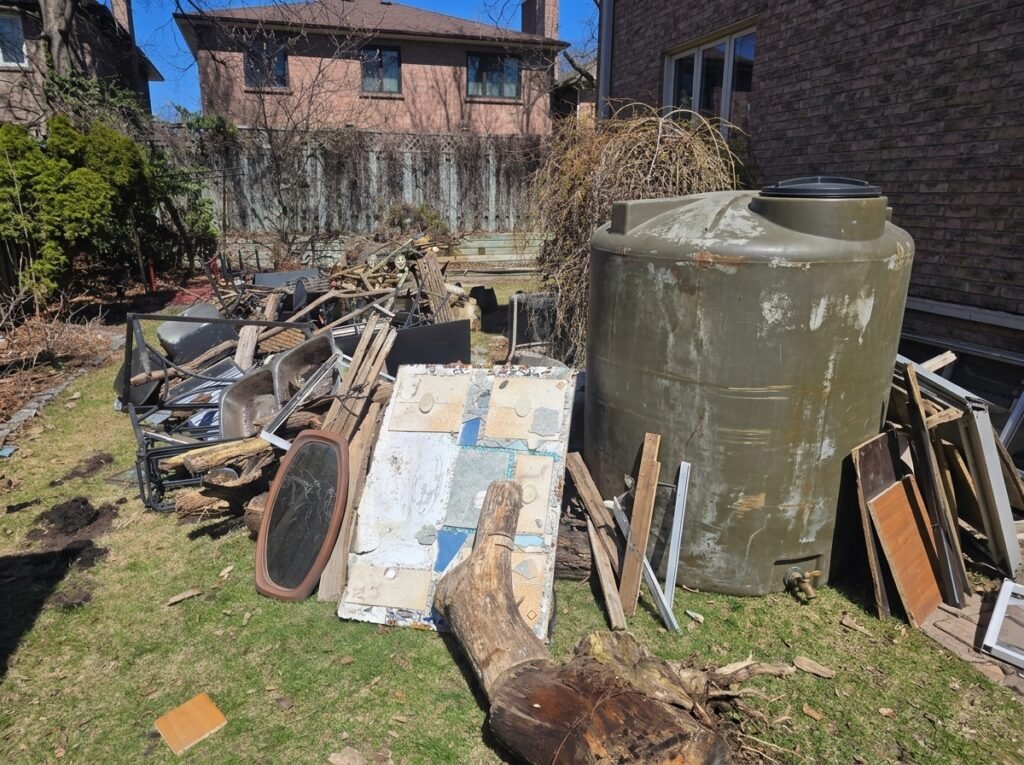
We start at just $125. Our team handles all the heavy lifting, sweeping up afterward, and making sure everything is properly handled and disposed of. With Live Junk Free, you can move forward without the mess or the hassle.
Need an urgent cleanout? We’re here to help with same-day or next-day services.
Call +1 647-922-5865 or book online.
Eviction situations can be unpredictable. Sometimes you need help right away. That’s why we offer fast eviction cleanout services and nearby cities. We clear out items left behind by former tenants and leave properties broom clean.
Whether it’s a one-bedroom apartment or a multi-level home, our team is trained, insured, and respectful. We remove all the trash, junk, furniture, appliances, and more, without delay.
Let us do the heavy lifting while you get the property ready for its next chapter. We even offer weekend and evening cleanouts.
Full-Service Eviction Cleanouts Include:
We Offer Same-Day Eviction Cleanout services.
We follow all legal rules and protect you from risks. You can trust us for safe, professional service.
We know eviction laws in your area. This helps us work fast and avoid delays.
Prices start at just $125, with no surprise fees. You get great service without overspending.
Need it done today? We offer same-day cleanouts so you meet deadlines.
If you’re not happy, we’ll make it right. Your peace of mind is our promise.
Our team knows eviction rules well. They work quickly and carefully every time.
At Live Junk Free, we don’t just remove junk, and we care about where it ends up.
Good for your property. Better for the environment.
You only pay for what we take.
We specialize in:
We clear out everything left behind:
Upload or text pictures of the space. Our team replies fast with pricing and next steps.
We provide clear, upfront pricing with zero hidden fees.
Choose a same-day or next-day cleanout. Flexible timing across the GTA.
Our team arrives, clears the space, tidies up, and hauls everything away within 1–3 hours.
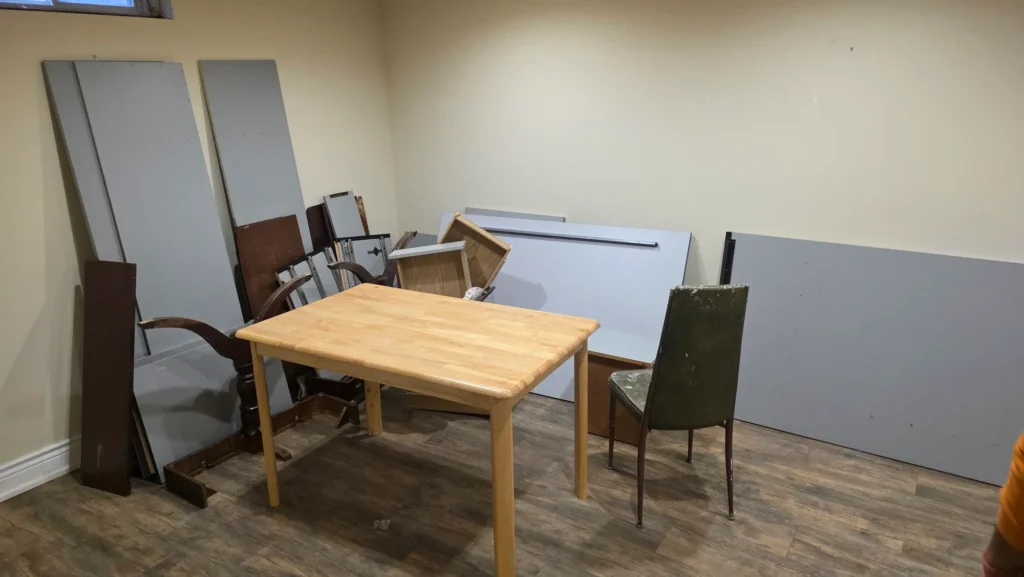
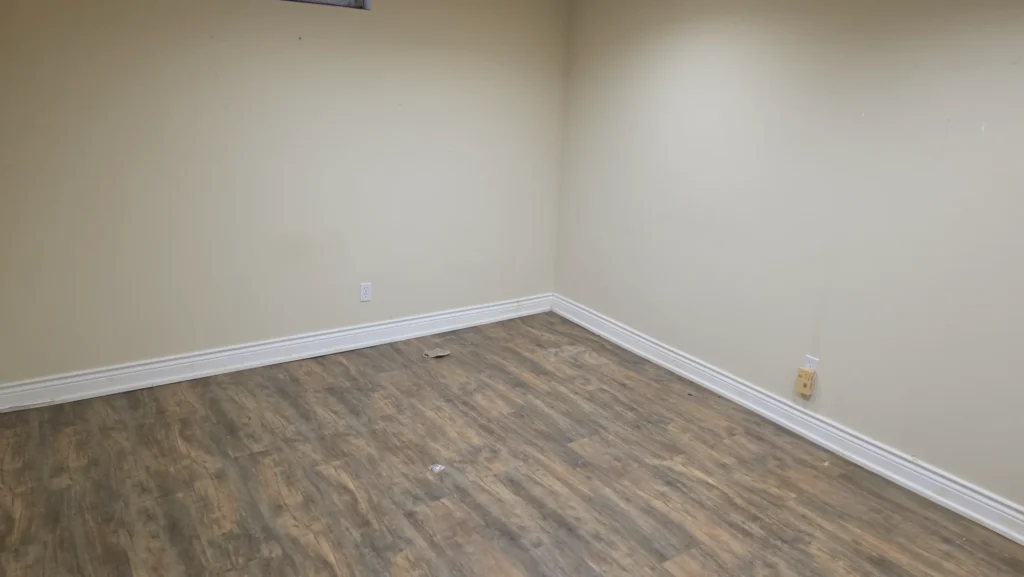
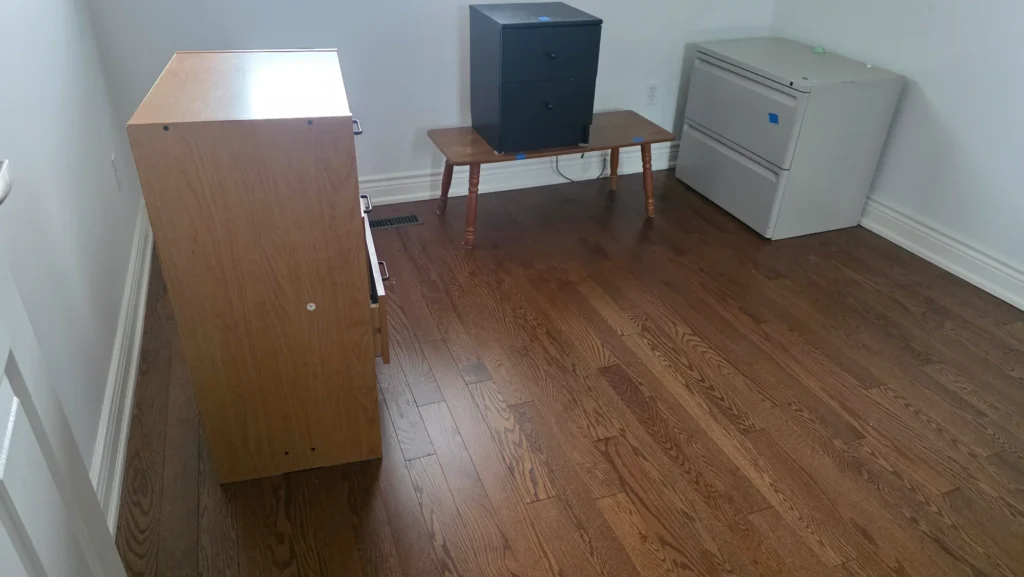
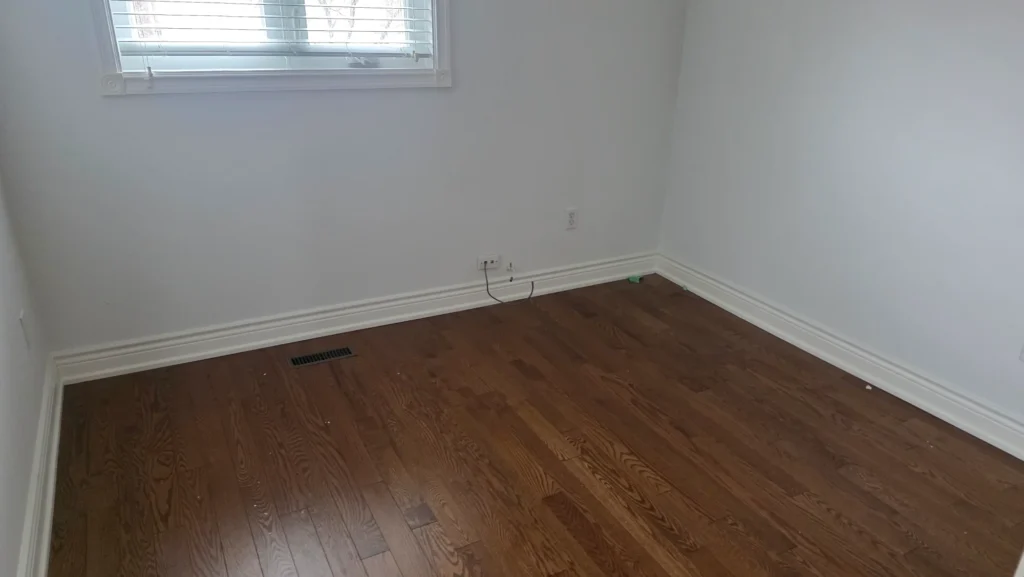
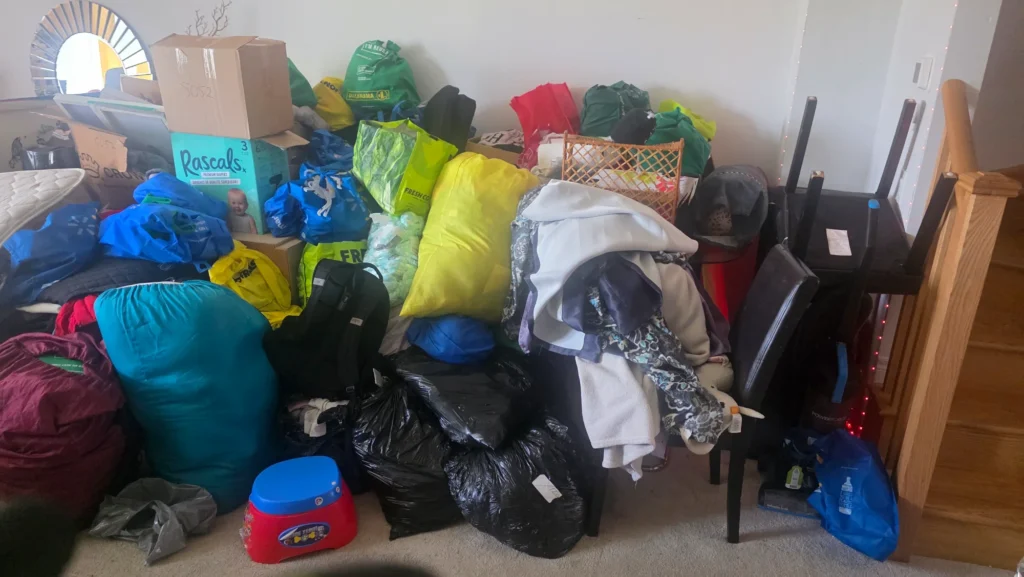
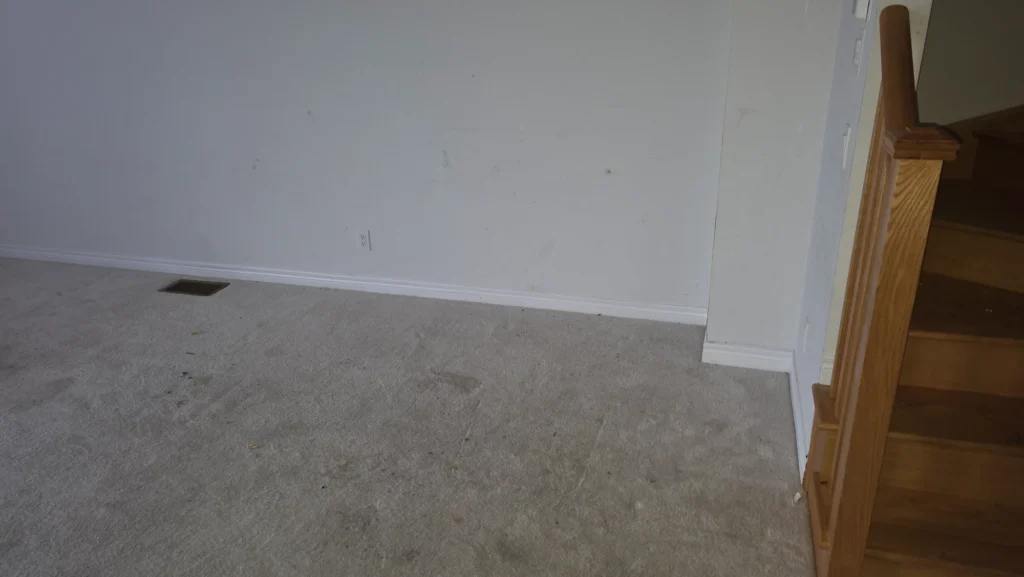
See our eviction cleanout transformations. From cluttered apartments and homes to clean, ready-to-rent spaces.
Trustindex verifies that the original source of the review is Google. So friendly and amazing work they brought a huge bin into my unit and baggee garage rolled it out amazing service fast and efficientPosted on GoogleTrustindex verifies that the original source of the review is Google. These guys were great. Not only did they come on time, they picked everything I sent them in the photos. There were a couple extra pieces of wood and they took them too at no extra charge. Polite, punctual, and kind. What more could you ask for? Will definitely call them again for junk removalPosted on GoogleTrustindex verifies that the original source of the review is Google. It was an excellent service! Very professional and gently handle to remove the large and heavy water tank… highly recommended!Posted on GoogleTrustindex verifies that the original source of the review is Google. Nav and Ash got here before the designated time. That was great. They were extremely polite, and very efficient. A couch I had for 22 years was up and out the door in less than 10 min. I could not believe it! Nothing bumped or bumped off walls or anything. I'd recommend them to anyone. Experts for sure!Posted on GoogleTrustindex verifies that the original source of the review is Google. We had a great experience with LiveJunkFree! They removed all the old appliances from my daughter’s condo, and the entire process was smooth and hassle-free. The team was professional, efficient, and handled everything with care. It was such a relief to have everything taken care of without any stress. We really appreciated their service and would happily recommend LiveJunkFree to anyone looking for reliable and professional appliance removal. Thank you for making the process so easy!Posted on GoogleTrustindex verifies that the original source of the review is Google. They let me know when they were a half-hour away. They were very professional and lovely to work with.Posted on GoogleTrustindex verifies that the original source of the review is Google. Nice, professional team that was fast and efficient!Posted on GoogleTrustindex verifies that the original source of the review is Google. The two men were excellent at removing our freezer from the basement... punctual and very efficient. Thank you very much.Posted on GoogleTrustindex verifies that the original source of the review is Google. Great service. Friendly, quick, polite and called when they were 30 minutes away to let me know their ETA.Posted on GoogleTrustindex verifies that the original source of the review is Google. Nav and his partner came for a piano removal, they communicated well and were professional. Thanks for your help and coming back to put the door back, much appreciated! Would recommend to friends and family.
Eviction Cleanout SERVICE AREA
Ajax • Aurora • Bolton • Bradford • Brampton • Caledon • East Gwillimbury • Etobicoke • Georgina • King City • Markham • Mississauga • Newmarket • Nobleton • Oshawa • Port Perry • Pickering • Richmond Hill • Scarborough • Schomberg • Toronto • Uxbridge • Vaughan • Woodbridge • Whitby • Whitchurch-Stouffville
Eviction cleanouts can be more complicated than a standard junk removal job because landlords may be dealing with abandoned belongings, tight timelines, property-access issues, and legal requirements. At Live Junk Free, we help property owners and managers clear unwanted items efficiently while treating tenant belongings and the property with care. From apartments and rental homes to outdoor areas and storage spaces, our team can handle the heavy lifting and removal. Here are answers to common questions about eviction cleanout costs, timelines, preparation, and disposal.
The cost depends on the amount and type of items being removed, property size, accessibility, labour required, and disposal needs. A small apartment cleanout may cost considerably less than a full house with furniture, appliances, and accumulated belongings. Live Junk Free can assess the volume and provide a clear estimate before the work begins.
Pricing models vary between cleanout companies. Some charge according to the volume of junk being removed, while others consider labour, truck space, and special disposal requirements. Live Junk Free can provide pricing based on the specific size and requirements of your eviction cleanout.
Response times depend on crew availability, the property’s location, and the size of the job. Property managers should contact the cleanout company as early as possible when they know a unit will need clearing. Live Junk Free can discuss scheduling options for time-sensitive eviction cleanouts across the GTA.
The landlord or property owner typically arranges and initially pays the cleanout company. Whether those costs can later be recovered from a former tenant depends on the circumstances and applicable Ontario rules. Landlords should keep invoices and other documentation and obtain legal advice before attempting to recover costs.
A standard junk removal job generally involves items the customer has clearly identified as unwanted. An eviction cleanout may involve property left behind by a former tenant, making proper authorization, documentation, and compliance with Ontario’s rules especially important. The removal should only proceed when the landlord or authorized party has the legal right to dispose of the items.
Disposal costs depend on what is found at the property and the type of materials involved. Standard household junk may be included in the quoted removal price, while certain hazardous or specialty materials can require separate handling. Live Junk Free can identify unusual disposal requirements before or during the cleanout.
Large quantities of spoiled food can require additional labour and specialized handling, particularly when strong odours, pests, or contamination are present. The final cost may therefore differ from a standard household junk removal. A property assessment can help determine the appropriate scope and pricing.
Potentially, but the ability to recover cleanout expenses depends on the circumstances and applicable landlord-tenant law. Landlords should keep photographs, invoices, receipts, notices, and other evidence showing the condition of the property and the costs incurred. For legal recovery questions, consult an Ontario landlord-tenant lawyer or qualified legal professional.
Some junk removal companies may offer preferred pricing or customized arrangements for recurring property-management work. Pricing can depend on the number of properties, frequency of cleanouts, average job size, and service requirements. Property managers can ask Live Junk Free about ongoing or multiple-property cleanout needs.
Biohazard contamination and extreme hoarding conditions can significantly change the scope of a cleanout. Specialized remediation, protective equipment, sanitation, or licensed professionals may be required rather than standard junk removal. Live Junk Free can identify situations that require specialized handling before proceeding.
Landlords should not assume that they can immediately dispose of everything left behind after an eviction. Ontario has specific rules governing abandoned tenant property, including circumstances where landlords may have obligations regarding storage or disposal. Property managers should confirm the applicable rules before authorizing a cleanout.
A landlord should not use a cleanout company to remove a tenant’s belongings while the tenant still has legal possession of the unit. The timing of removal must comply with the eviction process and Ontario law. Once the landlord has lawful possession and disposal is legally permitted, a cleanout company can be scheduled.
A straightforward two-bedroom apartment may be cleared in a few hours, but the actual timeframe depends on the amount of furniture, boxes, appliances, debris, stairs, elevators, and access conditions. Larger volumes or difficult access can extend the job. Live Junk Free can provide a more accurate timeframe after assessing the cleanout requirements.
Cleanout companies generally focus on removing and hauling items rather than carrying out the legal eviction itself. Any required sheriff, enforcement, or law-enforcement involvement should be arranged through the appropriate authorities or property representative. The cleanout crew should only begin work once lawful access has been established.
Not necessarily, provided the landlord or authorized property manager has arranged lawful access and given clear instructions. Before the crew arrives, the property representative should confirm access details, areas to clear, items that must remain, and any building requirements. This can help the cleanout proceed efficiently without the landlord staying onsite throughout.
The crew should not become involved in a confrontation or attempt to enforce an eviction themselves. Work may need to stop while the landlord or appropriate authorities address the situation. Having proper eviction documentation and lawful possession established before scheduling the cleanout helps reduce this risk.
Some junk removal companies may coordinate with a locksmith, but lock changes are separate from the physical removal service. Property managers should arrange lock changes with a qualified locksmith when necessary and ensure that doing so is legally permitted. Live Junk Free can focus on clearing the unwanted contents from the property.
Insurance requirements vary by company and property. Commercial landlords and apartment buildings may require contractors to provide a Certificate of Insurance before entering the premises. Property managers should confirm insurance and documentation requirements with the cleanout provider before booking.
The cleanout should be planned around the building’s loading zones, parking restrictions, elevator access, and property-management requirements. Where necessary, the property manager can arrange loading access or temporary parking authorization. Good access planning can significantly reduce delays during a time-sensitive cleanout.
Photos can be useful for documenting the condition of a rental property, but they should be discussed and agreed upon before the job. Property managers should also take their own detailed photographs before removal begins. Cleanout photos should be considered supporting documentation rather than a substitute for legal evidence or professional advice.
A cleanout company should not dispose of property simply because it appears unwanted. Items subject to legal storage, notice, ownership, environmental, or disposal requirements may need special treatment. Property managers should identify anything that must remain and confirm that disposal is legally authorized before the crew removes it.
Vehicles and other registered property can involve ownership, title, towing, and regulatory requirements that differ from ordinary junk removal. A standard cleanout crew may not be able to simply haul them away. Property managers should confirm ownership and arrange an appropriate licensed vehicle-removal service when necessary.
Cleanout crews are not law-enforcement officers or forensic investigators and should not be expected to search for illegal items. If workers encounter suspected weapons, drugs, suspicious chemicals, or other dangerous materials, they should avoid handling them and notify the appropriate person or authority. Hazardous materials may require specialized professionals.
Basic junk removal and deep cleaning are different services. Once unwanted contents are removed, the property may still require sweeping, sanitizing, carpet cleaning, pest treatment, painting, or professional odour remediation. Property managers can arrange additional services depending on the unit’s condition.
Some removable fixtures, carpeting, partitions, or other materials may require demolition or specialized removal rather than standard junk hauling. Whether they can be removed depends on the material, installation, property condition, and authorization from the owner. The scope should be confirmed before work begins.
Junk removal crews should not simply remove or dispose of animals. If pets or animals are discovered, the property owner or manager should contact the appropriate animal-control, humane-society, or veterinary resource for safe handling. The animals should be kept separate from the cleanout work whenever possible.
Not everything necessarily has to go to landfill. Usable furniture, household goods, and other appropriate items may be directed toward donation or reuse when practical and accepted by receiving organizations. Items that cannot be reused are handled through appropriate disposal or recycling channels.
Severe pest infestations require careful planning because moving contaminated furniture and belongings can spread pests to other locations. Pest-control treatment may need to happen before or alongside the cleanout. Property managers should disclose known infestations when booking so the appropriate precautions can be considered.
Packing and inventorying tenant property may be different from ordinary junk removal. If belongings must be preserved, the landlord or property manager should establish an inventory and storage procedure before disposal is authorized. A cleanout crew may be able to assist with labour if that service is agreed upon in advance.
An eviction cleanout can often include more than the main living areas. Depending on authorization and access, crews may remove unwanted items from garages, patios, balconies, yards, storage areas, and other designated spaces. Property managers should identify all areas requiring service before the job begins.
Workers should use appropriate protective equipment and avoid handling unidentified sharp or contaminated materials directly. Needles, bodily fluids, unknown chemicals, and serious contamination can require specialized hazardous-material or biohazard professionals. Known hazards should always be disclosed to the cleanout company before workers enter the property.
Sensitive personal documents should not simply be thrown into ordinary garbage. The property manager should determine the appropriate lawful handling, storage, return, or secure destruction process. In Canada, examples may include passports, health cards, tax documents, financial records, and other documents containing personal information.
A suspected drug-production site can present serious chemical and contamination hazards. Standard junk removal should not proceed until the property has been assessed and cleared by the appropriate authorities or qualified remediation professionals. Specialized hazardous-material remediation may be necessary before ordinary contents can safely be removed.
The landlord should preserve all documentation relating to the cleanout, including photographs, authorization records, item inventories, invoices, and communications. If valuable belongings were not legally authorized for disposal, the situation should be addressed promptly with the appropriate legal or insurance professionals. Clear documentation before removal can help prevent disputes.
Rules governing abandoned tenant property depend on the jurisdiction and circumstances. In Ontario, landlords should follow the applicable Residential Tenancies Act requirements and should not assume that placing belongings at the curb automatically satisfies their legal obligations. When there is uncertainty, obtain legal guidance before moving or disposing of tenant property.
Start by asking whether the company regularly works with landlords, property managers, rental buildings, and eviction-related cleanouts. Verify insurance, business credentials, service areas, reviews, and the company’s procedures for handling tenant property. Property managers should also ask how the company handles hazardous materials, documentation, and restricted items.
The company may need property access information, the scope of work, contact details, building rules, parking or loading instructions, and confirmation that the person authorizing the service has the right to do so. For eviction-related work, landlords should also have the relevant legal documentation and ensure that disposal is authorized before the crew arrives.
Yes. A practical checklist should cover legal authorization, tenant-property requirements, access, inventory, photographs, items to preserve, hazardous materials, building rules, cleanout scheduling, disposal, and final inspection. Keeping a standardized checklist can help property managers reduce delays and create a consistent process for every eviction cleanout.
The safest approach is to confirm lawful possession, understand the applicable tenant-property requirements, document the property’s condition, identify items that must be preserved, and maintain records of all removal and disposal activities. Before disposing of disputed or potentially valuable belongings, landlords should obtain appropriate legal advice. A detailed paper trail can help demonstrate what was removed and why.
Start planning as soon as lawful possession and disposal requirements are clear. Confirm building access, reserve elevators or loading areas, identify items that must remain, photograph the property, and provide the cleanout crew with clear instructions. Booking junk removal, cleaning, repairs, pest treatment, and other follow-up services in the right sequence can help reduce downtime and prepare the unit for its next tenant faster.
Whether it’s household junk, construction debris, or yard waste, we handle it all responsibly, recycling and disposing of items in an eco-friendly manner. Experience hassle-free junk removal with Live Junk Free and reclaim your space today!”
Whether it’s household junk, construction debris, or yard waste, we handle it all responsibly, recycling and disposing of items in an eco-friendly manner. Experience hassle-free junk removal with Live Junk Free and reclaim your space today!”
© 2026 Livejunkfree.ca | Powered By Live Junk Free